
-
National mobile call charges apply
-
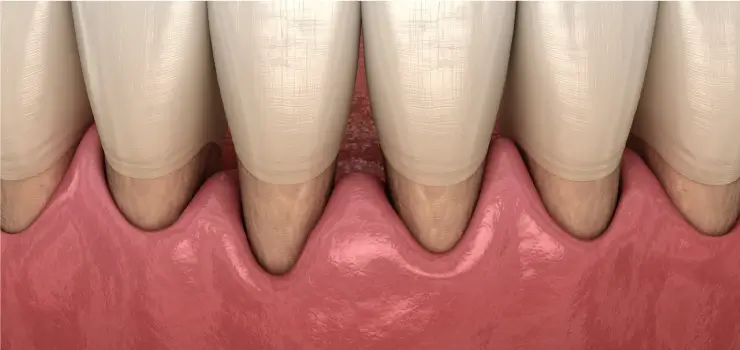
Periodontology is the area of dentistry dedicated to diagnosing and treating diseases of the gums and the tissues supporting the teeth, namely gingivitis and periodontitis. The most common symptoms include inflammation and bleeding, changes in gum colour and position, increased tooth sensitivity, loose teeth and bad breath, among others.
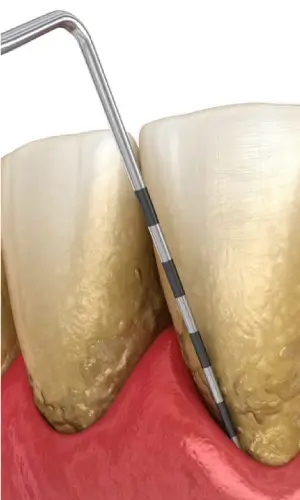
What are the main symptoms of periodontal disease?
- Spontaneous gum bleeding or bleeding during brushing;
- Pus appearing at the gums;
- A bad taste or bad breath;
- Very red gums
- Receding gums;
- Changes in tooth position;
- Loose teeth.
What treatment is available?
Treatment depends on the diagnosis and extent of the disease. For gingivitis, improved hygiene and professional removal of plaque and tartar can control inflammation. For periodontitis, instrumentation of the root surfaces below the gums may be necessary over one or more sessions.
Reassessment takes place after healing. If deep pockets, inflammation or specific defects persist, additional options may be discussed, including periodontal surgery in selected cases.
Periodontitis is a chronic disease and can progress without pain. Maintenance, daily hygiene, avoiding tobacco and managing other risk factors are important to reduce the likelihood of progression, without guaranteeing that the disease will not recur.
Guide to treatment
Signs that warrant assessment
- Gums that bleed when brushing, flossing or eating.
- Red, swollen, receding or sensitive gums.
- Persistent bad breath, pus, changes in the bite or loose teeth.
- A history of periodontitis, smoking, diabetes or implants requiring maintenance.
Expected duration
Gingivitis may improve after professional cleaning and changes to daily care. Periodontitis usually requires several sessions, reassessment after healing and ongoing maintenance. Duration depends on the extent and severity of the disease.
How the process works
-
01
Periodontal diagnosis
Examination of the gums, pocket measurements, recording bleeding and mobility, and X-rays when indicated.
-
02
Risk factor management
Guidance on hygiene and management of plaque, tobacco use and relevant health conditions.
-
03
Non-surgical treatment
Professional removal of plaque and tartar above and below the gums, over sessions according to the extent of the disease.
-
04
Reassessment
New measurements to check the response and decide whether additional procedures are needed.
-
05
Periodontal maintenance
Regular appointments to reduce the risk of progression or recurrence.
Important care
- Brush twice a day and clean between the teeth daily using the recommended aid.
- Do not stop cleaning because of bleeding; seek an assessment to identify the cause.
- Stop smoking and keep conditions such as diabetes under medical supervision.
- Follow the maintenance plan even when symptoms have disappeared.
Cost estimate
The cost estimate is provided after the periodontal examination.
The cost depends on the extent of the problem and the number of sessions needed. After the examination, we explain the plan and the associated costs.
Book an appointmentAt the appointment, we confirm suitability, the expected timeframe and a cost estimate tailored to your case.
Frequently asked questions
Is bleeding from the gums normal?
It should not be ignored. Frequent bleeding is a common sign of gum inflammation, although there are other causes. An assessment can distinguish gingivitis, periodontitis, brushing trauma or other problems.
What is the difference between gingivitis and periodontitis?
Gingivitis mainly affects the gums and may be reversible with plaque control and treatment. Periodontitis involves loss of the tissues and bone supporting the teeth and requires ongoing professional management.
Does periodontal disease cause pain?
It can progress with little or no pain. Bleeding, recession, bad breath, new gaps between teeth or loose teeth may appear before significant pain.
Can periodontitis be cured?
Support that has already been lost is not simply restored, but the disease can be treated and controlled. The aim is to stop progression, reduce inflammation and preserve teeth and tissues.
Does periodontal treatment hurt?
Instrumentation may cause temporary sensitivity. Local anaesthetic is used when necessary. The team explains aftercare and signs that warrant contacting the clinic after treatment.
Does tobacco affect the gums?
Yes. Smoking increases the risk and can mask bleeding, as well as impairing the response to treatment and healing. Stopping smoking improves the prognosis.
How often is maintenance carried out?
The interval is individual and may be every three months, every six months or otherwise, depending on risk, plaque control, pocket depth, smoking, diabetes and response to treatment.
How much does periodontal treatment cost?
The cost depends on the extent of the problem and the number of sessions needed. After the periodontal examination, we present the plan and cost estimate.