
-
National mobile call charges apply
-
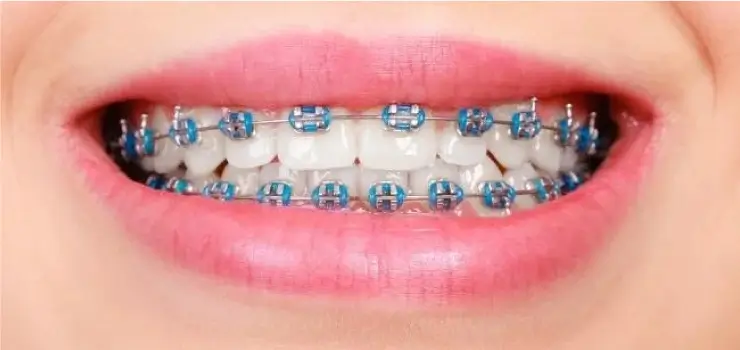
Orthodontics focuses on diagnosing and treating changes in tooth position and the relationship between the jaws. Goals may include improving the bite, making cleaning easier and creating a more harmonious smile, according to the needs identified in the orthodontic study.
At Clínica Prisma in Coimbra, options include fixed braces and Spark™ clear aligners. The choice is made after a clinical assessment and orthodontic study, taking into account the bite, oral health, tooth movement requirements and ability to follow the recommended care.
Benefits
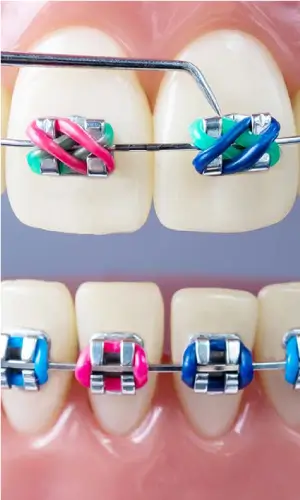
Orthodontic treatment can help align teeth and correct certain bite problems. Expected benefits, limitations and stability differ in each case and should be explained before treatment begins.
- Improved appearance
- Improved oral health
- Correction of functional problems
- Prevention of future complications
- A variety of treatment options
Beyond the appearance of the smile, orthodontics can improve certain bite problems and help distribute chewing forces. Not all functional or joint symptoms originate in tooth position, so they should be assessed individually.
Treatment requires regular appointments, careful hygiene and use of the appliances as instructed. Duration and outcome depend on the initial problem, biological response and cooperation; retention is usually needed after active treatment to reduce the risk of relapse.
At follow-up appointments, we assess progress and adjust the plan when needed. For children, assessment is coordinated with Paediatric dentistry; when there are gum problems, care in Periodontology help prepare for and monitor treatment.
Care by Dr Beatriz Hernández
Meet Dr Beatriz Hernández, Dentist, OMD registration no. 02244. She oversees orthodontic treatment at Clínica Prisma. She graduated in Dentistry from the University of Coimbra in 1998 and completed the Specialisation Course in Orthodontics and Dentofacial Orthopaedics at IIMDS between 2006 and 2011.
Guide to treatment
When it may be suitable
- Crowded, rotated or spaced teeth, or teeth outside the dental arch.
- Bite problems such as a crossbite, open bite, deep bite or misaligned jaw relationship.
- Difficulty cleaning or wear associated with tooth position.
- Preparation for other restorative, prosthetic or surgical treatments.
Expected duration
Many fixed-brace treatments take around 18 to 24 months, but simple cases may be quicker and complex cases may take longer. An individual estimate is only possible after the orthodontic study and also depends on cooperation and attendance.
How the process works
-
01
Assessment appointment
Assessment of the bite, teeth, gums, face, expectations and medical history.
-
02
Orthodontic study
Photographs, X-rays and digital records or impressions, when indicated, to establish the diagnosis.
-
03
Presentation of the plan
Explanation of goals, alternatives, estimated duration, risks, care and cost estimate.
-
04
Active treatment
Fitting the appliance and regular appointments to monitor and adjust tooth movements.
-
05
Retention
After the braces are removed, retainers are used to reduce the risk of the teeth moving again.
Important care
- Brush carefully around the brackets and use the recommended interdental cleaning aids.
- Avoid very hard or sticky foods and habits that could dislodge components of the braces.
- Attend follow-up appointments and contact the clinic if a component is loose or a sore persists.
- Wear your retainer exactly as instructed after active treatment.
Cost estimate
The cost estimate is provided after the orthodontic study.
The cost depends on the type of appliance and the complexity of the case. After the study, we present the plan, expected duration and cost estimate.
Book an appointmentAt the appointment, we confirm suitability, the expected timeframe and a cost estimate tailored to your case.
Frequently asked questions
Is orthodontics only for improving appearance?
No. Besides aligning the smile, it can improve the relationship between the teeth and jaws, make cleaning easier, distribute chewing forces more evenly and prepare for other treatments.
Can adults wear braces?
Yes. There is no strict age limit, provided the teeth, gums and bone are suitable for orthodontic movement. Periodontal problems should be controlled before and during treatment.
How long does orthodontic treatment take?
Many fixed-brace treatments last around 18 to 24 months. Actual duration may be shorter or longer depending on complexity, biological response, missed appointments and patient cooperation.
Do braces cause pain?
It is common to feel pressure or sensitivity for a few days after fitting and adjustments. Persistent sores, severe pain or loose components should be reported for assessment.
Is it always necessary to extract teeth?
No. The need for extractions depends on available space, tooth position, facial profile and treatment goals. The decision is made only after the orthodontic study.
How often are follow-up appointments scheduled?
The orthodontist sets the frequency according to the appliance and treatment stage. Keeping to the schedule helps the plan stay on track and problems to be identified early.
Why are retainers needed after braces?
Teeth can move after active treatment. Retainers help maintain the position achieved and should be worn and checked for the recommended period.
How much do braces cost?
The cost depends on the type of appliance and the complexity of the case. After the orthodontic study, we present the plan, expected duration and cost estimate.