
-
National mobile call charges apply
-

Paediatric dentistry is the area of dentistry dedicated to the oral health of babies, children and adolescents. It includes prevention, monitoring tooth eruption, assessing growth and treating tooth decay, injuries and other conditions.
The appointment is adapted to the child's age, development and cooperation. Alongside any necessary treatment, the aim is to teach hygiene and dietary habits and gradually build a calm relationship with dental care.
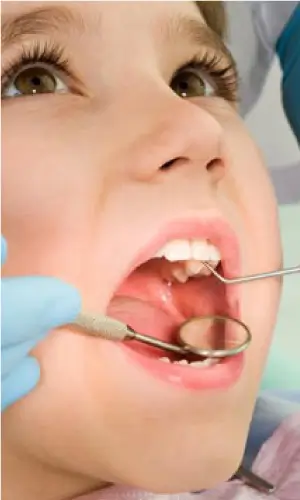
Why is paediatric dentistry so important?
- Risk-based preventionBrushing technique, toothpaste, diet and the need for professional preventive measures are determined according to age and individual risk of tooth decay.
- Early detectionRegular examinations can identify early lesions, changes in tooth eruption or habits that need monitoring before they cause symptoms.
- Learning healthy habitsThe child and their carers receive practical guidance on oral hygiene suited to their dexterity and the needs of each stage.
- Gradual familiarisationThe pace and language are adapted to the child. Some initial appointments focus mainly on examination and familiarisation, without promising there will be no discomfort.
Guide to treatment
When to take your child to the dentist
- A first preventive examination when the first tooth erupts and, ideally, by 12 months of age.
- Monitoring growth, tooth eruption and oral habits.
- Prevention and treatment of tooth decay, pain, infections or discolouration.
- Urgent assessment after a fall, impact or tooth fracture.
Expected duration
The appointment is adapted to age and cooperation. A first visit may focus mainly on prevention and familiarisation; longer treatments may be divided into sessions to maintain a positive and safe experience.
How the process works
-
01
Welcome
Adapting the language and pace to the child's age, previous experience and level of anxiety.
-
02
History and examination
Gathering information on health, diet and hygiene, followed by examination of the teeth, gums and development.
-
03
Prevention
Guidance on brushing, fluoride toothpaste, diet and preventive measures suited to the level of risk.
-
04
Care plan
Explaining the needs, alternatives, number of sessions and cost estimate to the child's parents or guardians.
-
05
Follow-up
Appointments at individually determined intervals for prevention, familiarisation and monitoring development.
Important care
- Brush twice a day with age-appropriate fluoride toothpaste in the recommended amount.
- Help with or supervise brushing until the child has sufficient dexterity.
- Reduce the frequency of sugary foods and drinks, particularly between meals and before bed.
- Use a mouthguard for contact sports and seek prompt assessment after an injury.
Cost estimate
The cost is provided once we understand what your child needs.
The appointment may be purely preventive or include treatment. Clínica Prisma participates in the Programa Cheque-Dentista; if you have a valid voucher, we confirm the care covered at your appointment.
Book an appointmentAt the appointment, we confirm suitability, the expected timeframe and a cost estimate tailored to your child's case.
Frequently asked questions
When should the first dental appointment take place?
International recommendations suggest a first examination when the first tooth appears and no later than 12 months of age. An early appointment provides guidance for parents and identifies risks before pain develops.
Why is it important to treat baby teeth?
Baby teeth help with chewing, speech and maintaining space for permanent teeth. Untreated decay can cause pain, infection, difficulty eating and avoidable emergency visits.
How can I prepare a child for the appointment?
Explain simply that the dentist will count and look at the teeth. Avoid promising that nothing will happen or using frightening words. Bringing the child to their parents' appointments can help them become familiar with the clinic.
What happens if my child is afraid?
The team adapts the pace, language and goals. Sometimes the first session is used to become familiar with the clinic and do only what the child can safely tolerate, gradually building confidence.
Should fluoride toothpaste be used?
Yes. The Direção-Geral da Saúde recommends brushing twice a day with fluoride toothpaste. The concentration and amount should be suited to age and individual risk.
How often should a child have a check-up?
The frequency is not the same for every child. The dentist sets the interval based on age, risk of decay, hygiene, diet, previous treatment and dental development.
What should I do if a tooth is knocked or injured?
Contact the clinic promptly, even if the tooth appears intact. If a permanent tooth is completely knocked out, hold it only by the crown, do not scrub the root and seek urgent care. Baby teeth should not be put back in.
How much does a paediatric dental appointment cost?
The cost depends on whether the appointment is preventive or includes treatment. If you have a valid Cheque-Dentista voucher, we confirm the care covered by the programme.