
-
National mobile call charges apply
-
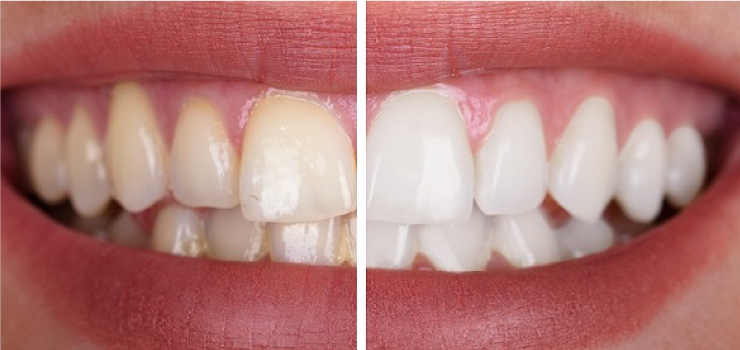
Cosmetic dentistry comprises treatments intended to change the colour, shape or proportions of teeth, including whitening, restorations and veneers. Before treatment, the teeth, gums, bite and expectations must be assessed, because artificial materials, crowns and implants do not respond to whitening like natural teeth and some procedures are irreversible.
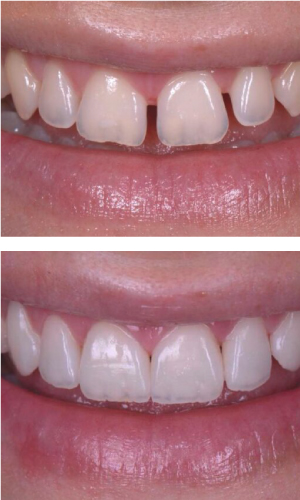
Types of cosmetic treatment
- Teeth whitening
- Cosmetic veneers
- Cosmetic restorations
Teeth whitening
Whitening uses a gel to lighten the colour of natural teeth. It can be carried out at the clinic, at home with custom-made trays, or through a combination of both approaches. Some in-clinic techniques may use a light source as part of the protocol, but suitability, product concentration and application time are determined by the dentist.
Temporary sensitivity or gum irritation may occur. The result varies with the cause of discolouration and does not change restorations, crowns, veneers or implants.
Cosmetic veneers
Veneers are thin ceramic or composite coverings applied to the tooth surface to change shape, proportions or colour. They may require irreversible removal of tooth structure and do not last indefinitely. Their suitability should be compared with more conservative alternatives, such as whitening, orthodontics or direct restorations.
Cosmetic restorations
Tooth-coloured materials can rebuild fractures, wear or decay lesions. Appearance and durability depend on the amount of remaining structure, the bite, material, hygiene and individual habits.
Guide to treatment
Concerns that can be assessed
- Darkened teeth or stains that do not disappear with professional cleaning.
- Small fractures, wear, irregular shapes or gaps between teeth.
- Visible or discoloured old restorations.
- Combined planning of whitening, restorations, veneers or orthodontics.
Expected duration
In-clinic whitening may take around an hour; supervised home whitening takes place over the prescribed period. Restorations may be completed in one appointment, while veneers may require several sessions for planning, preparation, trial fitting and placement.
How the process works
-
01
Smile assessment
Assessment of the teeth, gums, bite, photographs and expectations, distinguishing cosmetic wishes from clinical needs.
-
02
Oral health first
Treating decay, gum inflammation or other diseases before cosmetic procedures.
-
03
Plan and simulation
Choosing the most conservative alternatives and, when useful, previewing the intended shape or colour.
-
04
Treatment
Whitening, restorations or veneers according to the agreed plan.
-
05
Maintenance
Reviews, hygiene and care to preserve colour, surface and the health of teeth and gums.
Important care
- Control tooth decay and gum disease before starting cosmetic treatment.
- Follow the specific instructions during and after whitening.
- Avoid tobacco and moderate foods and drinks that stain teeth.
- Do not use veneers or restorations to open packaging, and have signs of bruxism assessed.
Cost estimate
The cost estimate depends on the treatment chosen.
The cost varies according to the treatment and number of teeth involved. At the assessment, we compare the options and explain the costs.
Book an appointmentAt the appointment, we confirm suitability, the expected timeframe and a cost estimate tailored to your case.
Frequently asked questions
Who can have teeth whitening?
The teeth and gums must be confirmed healthy and the cause of discolouration identified. It is not suitable for under-18s and requires individual assessment in circumstances such as pregnancy or breastfeeding.
Does whitening change crowns, veneers or restorations?
No. The gel acts on natural teeth and does not whiten restorative materials. Colour planning and possible replacement of visible restorations may be needed once the result has stabilised.
Does whitening cause sensitivity?
It may cause temporary sensitivity and gum irritation. Concentration, technique and duration should be adjusted by the professional; severe or persistent symptoms should be reported.
How long do whitening results last?
It is not permanent. Duration varies with tobacco, coffee, tea, wine, hygiene and individual characteristics. Maintenance should only be carried out on professional advice.
Do veneers require teeth to be filed down?
It depends on the material, position, shape and goal. Some cases allow minimal preparation, while others require controlled reduction. The most conservative alternative should be discussed before deciding.
Can veneers break or come loose?
Yes. Although strong, they are not indestructible. Bruxism, trauma, habits of biting objects and inappropriate forces increase the risk and may warrant night-time protection.
Can the result be predicted?
Photographs, models, simulations or mock-ups can help communicate the plan. They are planning tools, not an absolute guarantee of colour, shape or biological response.
How much does cosmetic dental treatment cost?
The cost varies according to the treatment and number of teeth involved. At the assessment, we compare the options and provide a cost estimate.